
Why a Professional Dominatrix May Decline a Session
One of the biggest misconceptions about professional domination is that a dominatrix will do anything as long as someone is willing to pay.
The reality is quite the opposite.
Over the years, I've occasionally declined sessions or suggested that someone postpone them. Not because I wanted to turn business away, but because I believe my responsibility extends beyond creating an enjoyable experience. It also means recognizing when BDSM may not be the right choice, when the dynamic isn't a good fit, or when there's a real risk that someone could leave a session feeling worse instead of better. Saying "no" isn't a failure of the booking process. Sometimes, it's the most responsible decision I can make.
Trauma
I always meet with first-time clients before a session to discuss their interests and experience.
I once met someone who told me about his childhood abuse. He was completely new to BDSM. After listening to his story, I suggested that BDSM probably shouldn't be his first step.
My concern wasn't BDSM itself. It was that an emotionally or physically intense scene could unintentionally trigger traumatic memories or emotional distress. If someone has experienced significant trauma, especially if it hasn't been addressed in therapy, I believe it's worth discussing BDSM with a mental health professional before exploring it.
That doesn't mean people with trauma can never enjoy BDSM. But it does mean they should approach it thoughtfully and understand the potential emotional risks.
Depression
I may also decline a session if I believe someone is experiencing untreated depression.
As someone who has lived with clinical depression myself, I've learned to recognize some of the signs. While I would never diagnose another person, there are times when someone describes their emotional state in a way that makes me concerned.
For someone who is in the middle of a depressive episode, emotionally intense BDSM scenes may not be helpful and, in some cases, could leave them feeling worse afterward. This is especially true for humiliation, degradation, or other psychologically demanding forms of play.
I work hard to take care of my own mental health, and I encourage others to do the same. BDSM can be a wonderful experience, but it shouldn't replace professional mental health care.
"Domming from the Bottom"
Sometimes people begin giving me directions during a session or ask me to perform activities that I've already explained I don't offer. Most of the time, I don't believe they're trying to be disrespectful. They're simply caught up in the excitement of the moment.
But for me, it completely changes the dynamic.
A BDSM session is built on a consensual power exchange. During a scene, I become deeply immersed in that dynamic. Many Dominants experience something often called "Dom space" or "Dom high", a state of intense focus where the power exchange feels completely natural.
When someone suddenly starts directing me or trying to negotiate in the middle of the scene, that dynamic breaks. It doesn't feel like a simple interruption. It feels as though the entire psychological framework of the scene has collapsed.
The feeling is difficult to describe, but it's almost like falling from the sky to the ground in an instant. I often feel emotionally drained afterward, and sometimes that feeling stays with me for several days.
I don't "fire" someone over a single mistake. Instead, I explain why it affected the session and what I'd like them to do differently next time. Most people understand immediately, and we never have the issue again.
However, if someone becomes defensive, dismisses my experience, or repeatedly ignores my boundaries, that's when I may decide we're no longer a good match.
When We're Not the Right Match
Not everyone enjoys pain, and that's perfectly okay. But if someone isn't interested in submission or doesn't enjoy giving up control, then we're probably not the right fit for each other.
A femdom session is built around a consensual power exchange. The submissive chooses to place themselves under my authority for the duration of the scene and follows my direction. That's what creates the dynamic that both of us are there to experience.
If someone wants to negotiate every instruction, argue, or remain in control throughout the session, they probably aren't looking for the type of experience I offer, and there's nothing wrong with that. It simply means they would likely have a better experience with someone whose style matches their interests.
At first glance, saying no to a session may seem strange for someone whose profession is providing BDSM experiences. But I don't see my role as simply fulfilling fantasies.
Every session requires trust and emotional awareness between two people. Sometimes that means slowing things down, recommending that someone focus on their mental well-being first, or recognizing that we're simply not the right match.
The best sessions happen when both people feel safe, respected, and genuinely excited about the dynamic they're about to create together. If those conditions aren't there, saying "no" isn't rejecting the person. It's protecting the experience for both of us.
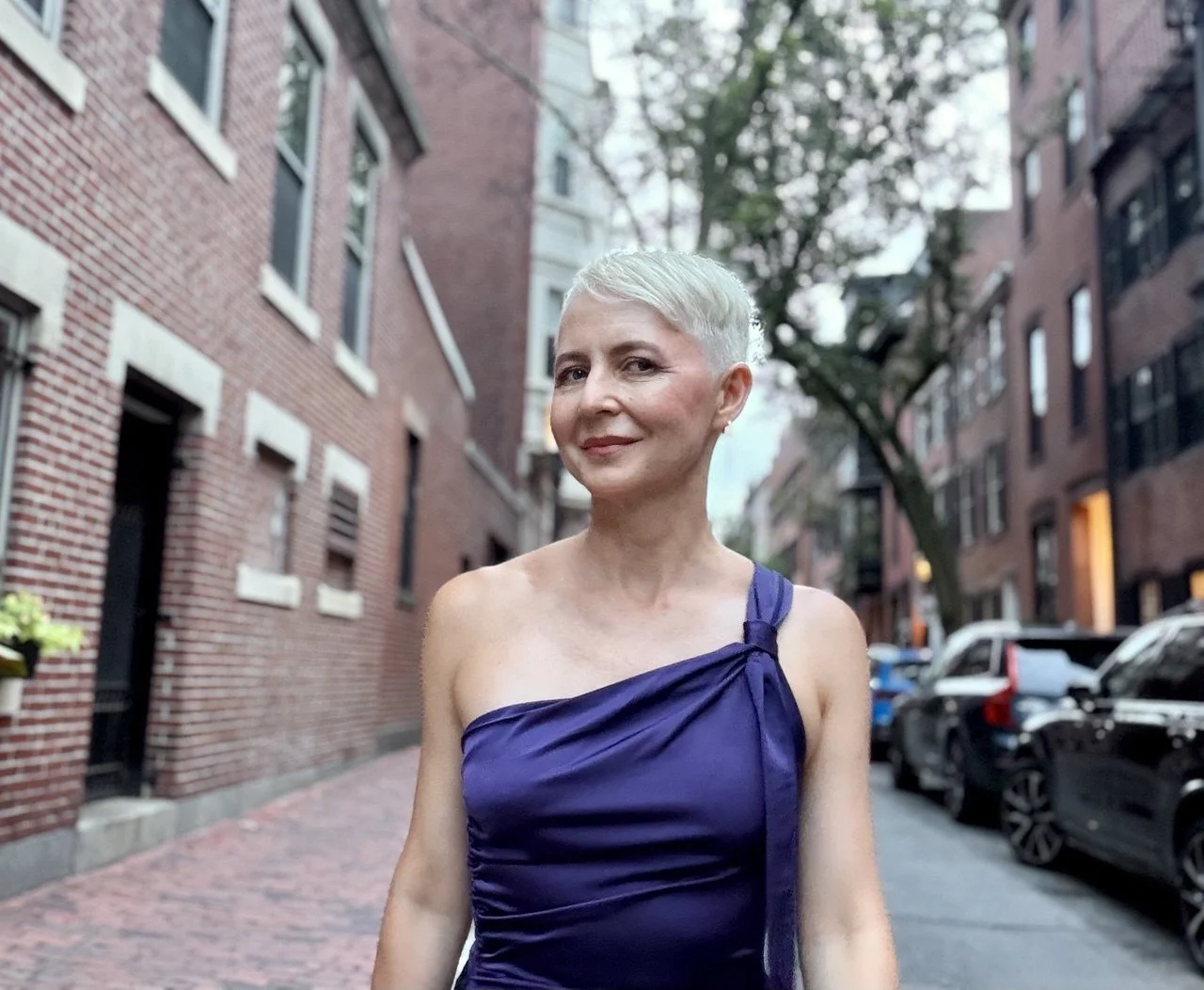
Mistress Jane is a professional dominatrix based in Boston who specializes in psychological domination, role-play, and power exchange. If you're curious about exploring kink in a safe and supportive environment, you can learn more about sessions here.
